Celebrating the Spectrum: Embracing Diverse Skin Tones in African American Beauty
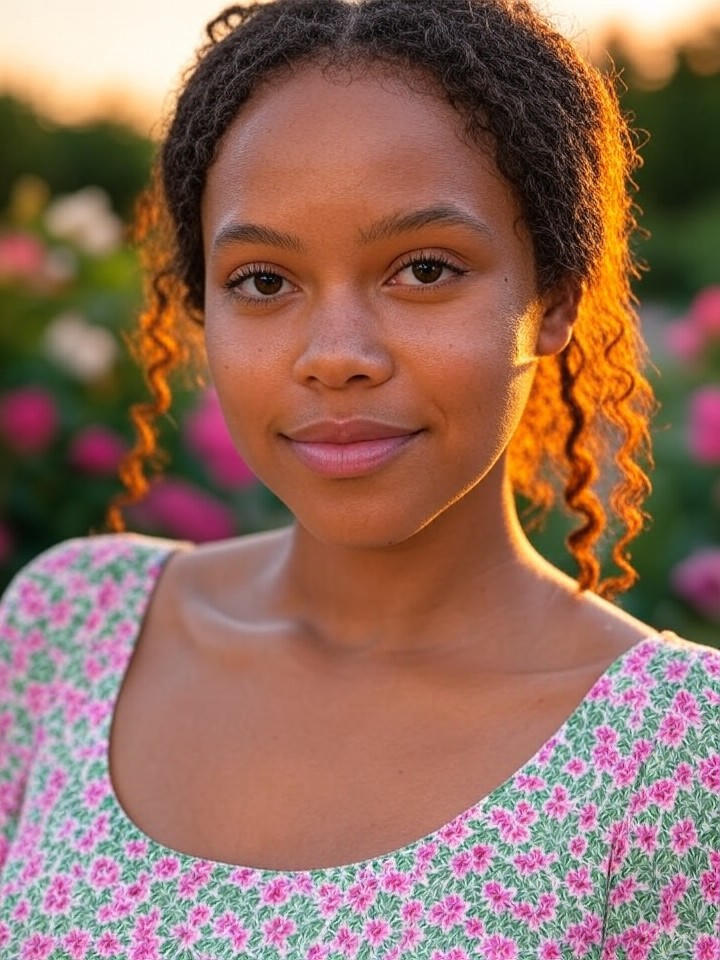
The beauty of African American skin lies in its vast spectrum of tones, ranging from the deepest ebony to the lightest caramel. For centuries, this diversity has been a source of cultural pride, resilience, and identity. However, societal pressures, colorism, and Eurocentric beauty standards have often cast a shadow over the celebration of this natural variation. Today, as the beauty industry and cultural narratives evolve, there is a growing movement to embrace and uplift every shade of African American beauty. This article explores the significance of diverse skin tones, the historical challenges faced, and the empowering strides being made to honor the full spectrum.
The Beauty of Diversity in African American Skin Tones
African American skin tones are a testament to the rich tapestry of African ancestry, shaped by geography, genetics, and history. From the deep, melanin-rich hues reminiscent of sub-Saharan Africa to lighter tones influenced by mixed heritage, each shade tells a unique story. This diversity is not just physical—it is deeply tied to cultural identity, family lineage, and personal expression.
Melanin, the pigment responsible for skin color, offers more than aesthetic variety. It provides natural protection against the sun’s harmful rays, with darker skin tones having higher levels of melanin to shield against UV damage. Beyond biology, skin tone often carries emotional and social weight, influencing how individuals are perceived and how they perceive themselves within their communities.
Historical Challenges: Colorism and Eurocentric Standards
Despite the inherent beauty of diverse skin tones, history reveals a painful struggle with colorism—a form of discrimination based on skin shade, often within the same racial or ethnic group. Rooted in colonialism and slavery, colorism in African American communities has historically favored lighter skin tones due to their proximity to whiteness and the associated privileges. During slavery, lighter-skinned individuals were sometimes given preferential treatment, working in the house rather than the fields, which sowed seeds of division that persist today.
Post-slavery, Eurocentric beauty standards further entrenched these biases. Media, advertisements, and popular culture often portrayed lighter skin as the ideal, marginalizing those with darker complexions. This led to harmful practices like skin bleaching and a pervasive sense of inferiority among some individuals with deeper tones. Even within African American communities, terms like “high yellow” or derogatory comments about being “too dark” reflected internalized colorism, perpetuating cycles of self-doubt and division.
A Shift Toward Inclusivity in the Beauty Industry
In recent decades, the tide has begun to turn. The beauty industry, once criticized for its lack of representation, is slowly but surely embracing diversity. Influential figures like Rihanna, with her groundbreaking Fenty Beauty line launched in 2017, have redefined beauty standards by offering foundation shades for every skin tone imaginable. Fenty’s inclusive approach—featuring 40 shades at launch, now expanded to 50—sent a powerful message: beauty is not one-size-fits-all. The line’s success proved that catering to diverse skin tones is not just ethical but also profitable, inspiring other brands to follow suit.
Beyond products, representation in media and advertising is also evolving. Models and influencers of all shades, such as Lupita Nyong’o, Duckie Thot, and Nyma Tang, are gracing magazine covers, walking runways, and building massive online followings. Their visibility challenges outdated norms and provides role models for young African Americans to see themselves reflected in beauty spaces.
Cultural Movements and Self-Love
Parallel to industry changes, cultural movements like Black is Beautiful, which gained prominence in the 1960s, continue to resonate today. This movement encouraged African Americans to reject Eurocentric ideals and embrace their natural features, including darker skin tones, kinky hair, and full lips. Modern iterations of this ethos are evident in social media hashtags like #MelaninMagic and #DarkSkinAppreciation, where individuals proudly showcase their unique beauty.
Self-love is at the heart of this celebration. For many, embracing their skin tone is a journey of unlearning societal biases and reclaiming confidence. Community support plays a crucial role, as African Americans share stories, skincare tips, and affirmations to uplift one another. Online platforms have become safe spaces for dialogue about colorism, allowing individuals to confront past hurts and foster healing through shared experiences.
Challenges That Remain
While progress is undeniable, challenges persist. Colorism still lingers in subtle and overt ways, from casting decisions in Hollywood to personal interactions within families and social circles. Darker-skinned individuals often face harsher stereotypes or fetishization, while lighter-skinned individuals may grapple with questions of authenticity or privilege. Addressing these issues requires ongoing education, open conversations, and a commitment to dismantling biases at every level.
The beauty industry, too, has room for improvement. While inclusivity is on the rise, some brands still offer limited shade ranges or treat diversity as a marketing trend rather than a core value. True change demands sustained effort