Cultural Couture: How African American Style Redefines Beauty Standards
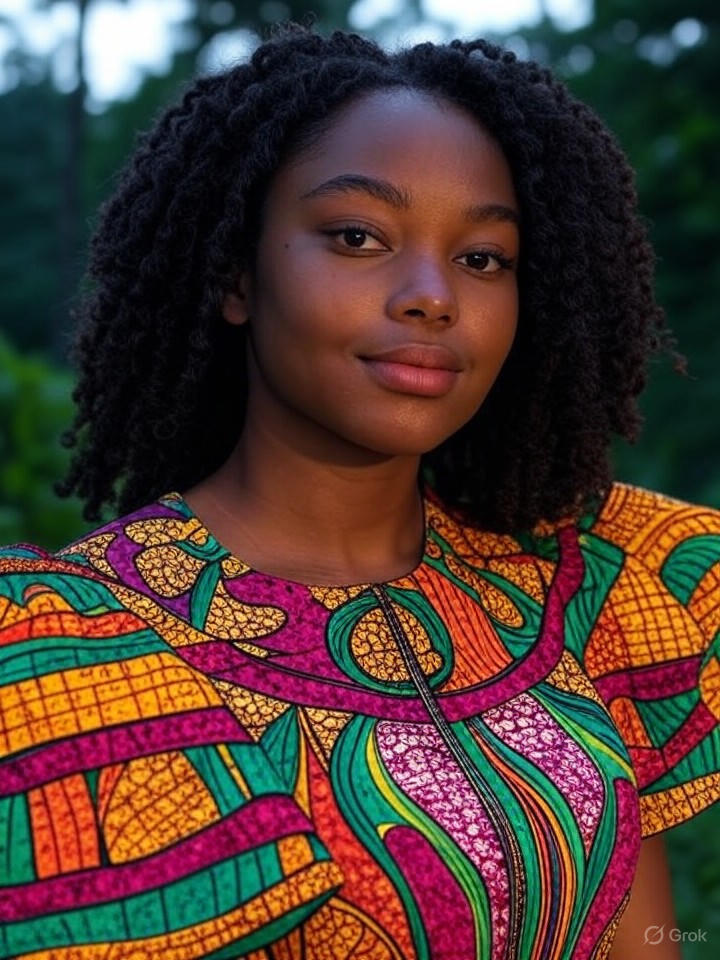
In an era where beauty standards are increasingly diverse and inclusive, African American style stands at the forefront, challenging centuries-old Eurocentric ideals. From the vibrant patterns of kente cloth to the unapologetic embrace of natural hair and curves, Black fashion has not only shaped global aesthetics but has fundamentally reshaped what it means to be beautiful. This cultural couture weaves history, resilience, and innovation into a tapestry that influences runways, red carpets, and everyday wardrobes worldwide. As Virgil Abloh, the late visionary behind Off-White and Louis Vuitton menswear, once said, "Streetwear is the foundation of luxury." Today, African American contributions prove that foundation is both revolutionary and radiant.
Roots in Resistance: A Historical Evolution
African American style emerged from necessity and defiance. During the era of enslavement, enslaved Africans preserved cultural identity through textiles like indigo-dyed fabrics and headwraps, which evolved into the iconic tignons mandated by colonial laws in Louisiana. These headwraps, far from restrictive, became symbols of elegance and resistance, as detailed in this Smithsonian article.
The 1920s Harlem Renaissance catapulted Black style into the spotlight. Figures like Josephine Baker dazzled in feather-fringed flapper dresses, blending African motifs with jazz-age glamour. This period marked a shift, celebrating fuller figures and bold expressions against the era's slim, pale ideals. Fast-forward to the Civil Rights Movement of the 1960s, where afros and dashikis embodied Black Power. Angela Davis's signature afro wasn't just a hairstyle—it was a political statement, influencing the Black is Beautiful campaign that normalized dark skin and textured hair.
Hip-hop in the 1980s and 1990s further democratized style. Run-D.M.C.'s Adidas tracksuits and Salt-N-Pepa's oversized gold chains turned streetwear into high fashion, paving the way for brands like FUBU. This era challenged skinny silhouettes with baggy jeans and athletic builds, proving that beauty thrives in authenticity.
Icons Who Shattered the Mold
African American women have been pivotal in redefining beauty. Diana Ross's voluminous wigs and flowing gowns in the 1970s epitomized glamour with soul, inspiring generations. Whitney Houston's sleek bobs and power suits normalized Black excellence on global stages. In the 21st century, Beyoncé's Lemonade visual album fused Yoruba prints, lace fronts, and saucy Southern goth, reclaiming narratives around Black femininity.
Rihanna's Fenty Beauty launch in 2017 was a game-changer, offering 40 foundation shades from the start and forcing competitors like Sephora to diversify. Her Savage X Fenty runway shows celebrate all body types—curvy, disabled, transgender—featuring models like Ashley Graham and Paloma Elsesser. Zendaya, with her Vogue covers and Met Gala slay (like the 2019 Tommy Hilfiger Cinderella gown), blends high fashion with cultural nods, such as locs and cornrows.
Men, too, lead the charge. Dapper Dan's logomania in 1980s Harlem—custom Gucci and Louis Vuitton for rappers—anticipated luxury streetwear, earning collaborations with those same houses decades later. Today, designers like Kerby Jean-Raymond of Pyer Moss use fashion as activism, with collections addressing police brutality through gospel choir runways.
Challenging Eurocentric Norms: Key Elements of Redefinition
African American style disrupts straight hair, light skin, and slim frames with:
- Natural Hair Revolution: The CROWN Act, passed in over a dozen U.S. states, bans hair discrimination, fueled by movements like Black Girls Rock. Celebs like Lupita Nyong'o rock twists and afros, proving coils are couture.
- Body Positivity and Curves: Icons like Tracee Ellis Ross and Lizzo champion thickness. Nicki Minaj's "anaconda" aesthetic turned hips and booties into beauty benchmarks, influencing Barbie's 2023 redesign.
- Color and Pattern Play: Ankara prints, cowrie shells, and neon hues draw from West African roots, seen in [Virgil Ab