Icons of Elegance: Trailblazing African American Beauty Pioneers
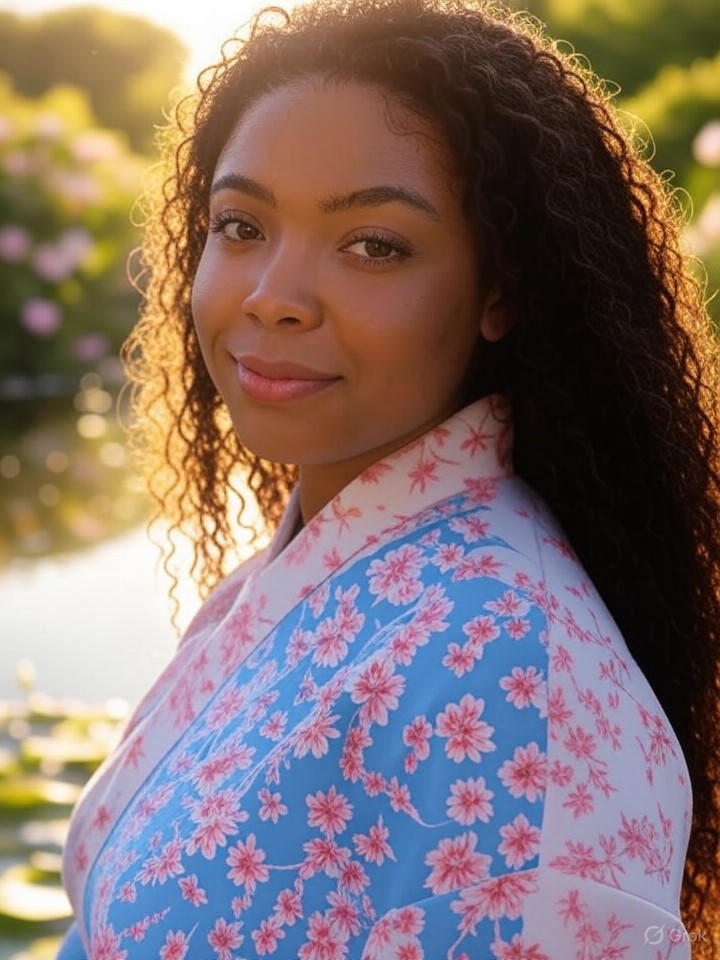
In an industry long defined by narrow standards of beauty, African American women have been at the forefront of revolutionizing cosmetics, hair care, modeling, and fashion. From inventing life-changing products to gracing magazine covers and building billion-dollar empires, these trailblazers not only shattered glass ceilings but also redefined elegance on their own terms. Their stories of resilience, innovation, and unapologetic self-expression continue to inspire generations, proving that true beauty stems from boldness and authenticity.
The Hair Care Revolution: Madam C.J. Walker and Annie Turnbo Malone
The foundations of Black beauty entrepreneurship were laid in the early 20th century by two visionary women who addressed the unique needs of textured hair amid rampant discrimination.
Annie Turnbo Malone, born in 1869, was a self-taught chemist who developed Poro Hair Pomade in 1900—a non-irritating formula that straightened hair without the harmful effects of lye-based products then popular. Facing rejection from white-owned beauty suppliers, Malone built an empire from her home in Illinois. By 1918, her Poro College in St. Louis had trained over 75,000 agents, generating millions in revenue. She employed thousands of Black women, providing economic empowerment during the Jim Crow era. Malone's legacy endures through her emphasis on professional training and community upliftment.
Enter Madam C.J. Walker, born Sarah Breedlove in 1867, who trained under Malone before launching her own line in 1905. Walker created the "Walker System," a regimen including scalp treatments and hot combs tailored for Black women's hair growth and styling. Rising from washerwoman to America's first self-made female millionaire, she built factories, salons, and a network of 40,000 sales agents. Walker's philanthropy—funding scholarships, NAACP efforts, and Black YMCAs—cemented her as a symbol of Black excellence. Her Denver mansion, still standing, now honors her indelible mark on beauty history.
Supermodels Who Redefined Runways: Donyale Luna, Naomi Sims, and Beverly Johnson
As modeling emerged in the 1960s, African American women broke into a field that had virtually excluded them, demanding visibility and respect.
Donyale Luna, born Naomi Beatrice Delaney in 1940, became the world's first Black supermodel in 1966 when she appeared on the cover of British Vogue. Her ethereal, avant-garde look challenged Eurocentric ideals, paving the way for diversity. Despite facing racism—including death threats—Luna starred in films like Otley and inspired designers worldwide before her untimely death in 1979.
Naomi Sims followed in 1967, landing a Ladies' Home Journal cover after 71 rejections. Credited as America's first Black supermodel, she signed with Wilhelmina Models and appeared in Life magazine. Sims transitioned into business, authoring books on beauty and modeling, and her poised professionalism opened doors for others.
Beverly Johnson sealed the milestone in 1974 as the first Black woman on the cover of U.S. Vogue. At 50 years in the industry, her iconic shot—hair slicked back, gaze fierce—shattered barriers. Johnson modeled for over 500 magazines, later founding her own agency and skincare line, advocating for age and racial inclusivity.
Cosmetics Empire Builders: Iman, Pat McGrath, and Rihanna
From supermodels to moguls, these icons leveraged their platforms to create inclusive beauty lines that catered to diverse skin tones.
Somali-born Iman Abdulmajid, discovered in 1975, became a global supermodel synonymous with elegance. In 1994, she launched Iman Cosmetics, the first major professional line for women of color, offering shades from ebony to caramel. Her success underscored the market gap, influencing the industry's shift toward multiculturalism.
British makeup artist Pat McGrath, daughter of a Jamaican nurse, started as a Vogue beauty editor in the 1990s. Her transformative runway looks for designers like John Galliano led to Pat McGrath Labs in 2015—a cult brand with liquid lipsticks and skin fetishes that blend high fashion with accessibility. Knighted in 2014, McGrath's innovations have made her one of the most influential figures in beauty today.
Rihanna's Fenty Beauty, launched in 2017 under Kendo Brands, exploded with 40 foundation shades at debut—a direct response to her own struggles finding matches. Grossing $550 million in its first year, Fenty normalized inclusivity, pressuring competitors like Sephora and L'Oréal to diversify. Rihanna's unfiltered approach, from glossy lips to body lava highlighter, embodies modern elegance.
A Legacy of Empowerment and Innovation
These pioneers transformed the beauty industry from exclusionary to expansive, generating billions and fostering self-love among marginalized communities. Madam C