Roots of Radiance: How African American Hair Traditions Shape Identity
Introduction
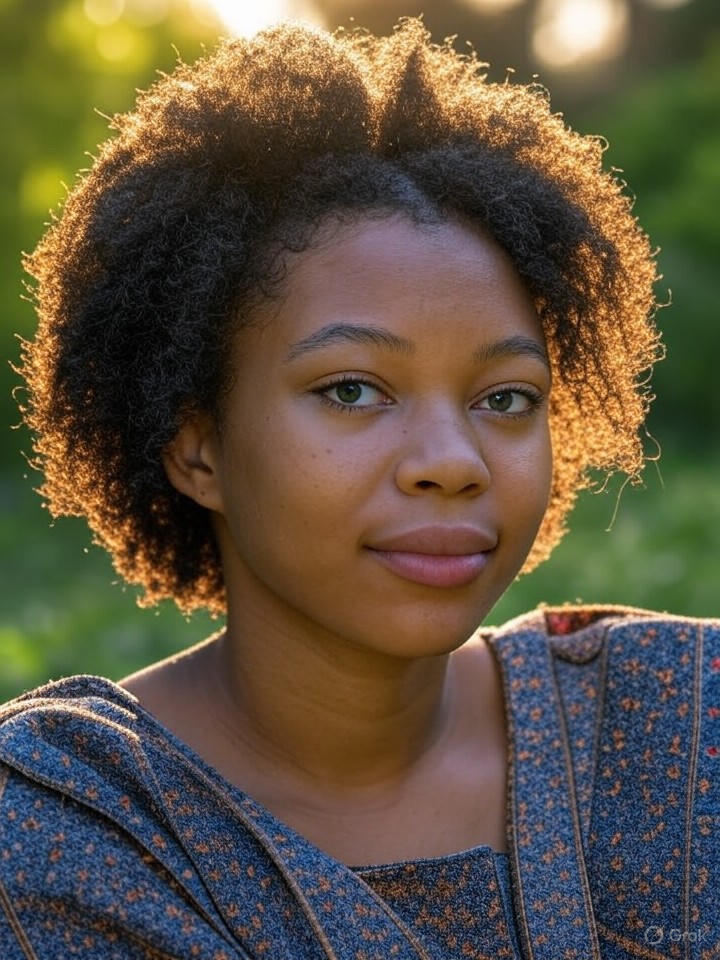
In the tapestry of African American culture, hair is more than a crown—it's a crown jewel of identity, resilience, and rebellion. From intricate cornrows that whisper stories of ancient African kingdoms to the bold afros that fueled the Civil Rights Movement, Black hair has long served as a canvas for self-expression and cultural defiance. A 2023 Nielsen report highlighted that Black consumers spend nine times more on hair care products than the general market, underscoring hair's economic and emotional centrality. This article explores how African American hair traditions, rooted in heritage and evolving through adversity, continue to shape personal and collective identity.
Ancient Foundations: Hair as Heritage in Africa
The story begins on the African continent, where hair traditions date back millennia and carried profound social, spiritual, and status-based meanings. In ancient Egypt, noblewomen adorned elaborate wigs of human hair, symbolizing wealth and divinity. Among the Yoruba of Nigeria, hairstyles denoted marital status, age, and tribe—widows shaved their heads in mourning, while warriors sported protective braids.
These practices migrated across the Atlantic during the transatlantic slave trade. Enslaved Africans preserved their rituals as acts of resistance. Cornrows, or "canerows," were practical for fieldwork, keeping hair neat under headscarves, but they also encoded messages: braided patterns could map escape routes along the Underground Railroad. As historian Henry Louis Gates Jr. notes in his works, "Hair became a portable archive of memory," linking generations to a stolen homeland.
Slavery and Survival: Taming the Crown Under Oppression
Under chattel slavery, Eurocentric beauty standards sought to erase African features, including textured hair. Enslaved people were forced to cover their hair with tignons—colorful headwraps mandated by Louisiana's colonial government in 1786. Far from submission, these became vibrant displays of creativity, with women weaving fabrics into fashionable statements.
Post-emancipation, the "good hair" myth persisted, privileging straight textures closer to European ideals. Chemical relaxers, introduced in the early 20th century by Madam C.J. Walker—the first Black female millionaire—offered a path to conformity and economic mobility. Yet, beneath the straightened strands lay a simmering pride. Walker's empire empowered Black women, proving hair care could be a vehicle for upliftment.
Civil Rights Era: Afros as Political Power
The 1960s ignited a hair revolution. The Black Power movement, embodied by icons like Angela Davis and the Black Panther Party, championed the afro as a symbol of unapologetic Blackness. "Black is beautiful" wasn't just a slogan; it was a rejection of assimilation. Angela Davis's iconic afro framed her activism, turning hair into a badge of militancy.
This era politicized hair profoundly. Schools and workplaces enforced bans on natural styles, sparking lawsuits like the 1970 case of a Black student suspended for her afro. Such battles laid groundwork for legal protections, influencing today's CROWN Act, passed in over a dozen U.S. states since 2019, banning hair discrimination.
The Natural Hair Renaissance: From Shame to Celebration
Fast-forward to the 21st century: social media birthed the natural hair movement. Platforms like YouTube and Instagram exploded with tutorials on twist-outs, bantu knots, and locs, amassing billions of views. Hashtags like #NaturalHair and #BlackGirlMagic have fostered global communities, with influencers like Naptural85 (Janell Stephens) boasting millions of followers.
This shift rejects relaxers—once a $2.5 billion industry—and embraces versatility. Locs, inspired by Rastafarian spirituality and West African warriors, signify patience and spiritual growth. Box braids and faux locs pay homage to ancestors while suiting modern lifestyles. Celebrities amplify this: Lupita Nyong'o's Oscar-night locs challenged Hollywood norms, while Beyoncé's Lemonade-era coils celebrated Creole roots.
Economically, the movement thrives. Black-owned brands like Pattern Beauty (Tracee Ellis Ross) and Mielle Organics generate hundreds of millions, prioritizing shea butter, jojoba oil, and other ancestral ingredients.
Contemporary Challenges and Triumphs
Despite progress, hurdles remain. Corporate dress codes still scrutinize Black hair—Virginia's 2020 CROWN Act stemmed from a Black student's dreadlock ban. High-profile cases, like U.S. Army regulations relaxed in 2021 to accommodate natural styles, highlight ongoing fights.
Yet, triumphs abound. Afropunk festivals showcase gravity-defying updos, while museums like the National Museum of African American History and Culture exhibit hair artifacts. In pop culture, Solange's "Cranes in the Sky" and Childish Gambino's "This Is America" weave hair narratives into art.
Health awareness grows too: traction alopecia from tight styles prompts protective practices like silk bonnets