The Impact of Technology on Fashion Design
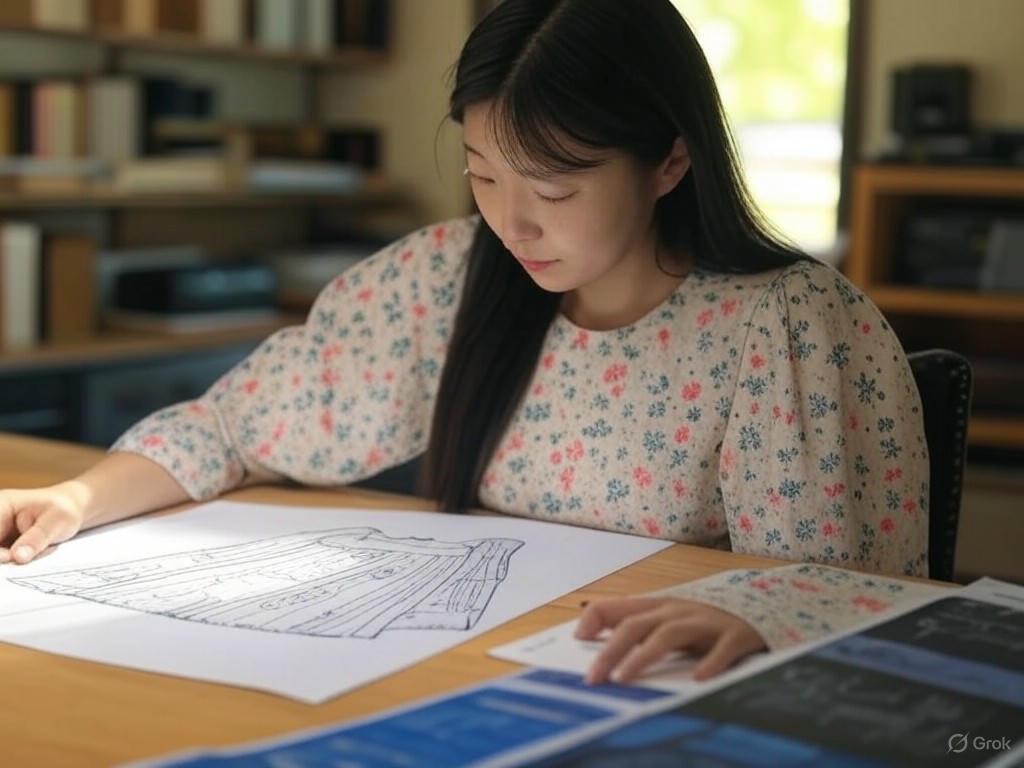
1. Digital Design and Visualization:
- CAD Software: Computer-Aided Design (CAD) software allows designers to create digital sketches, experiment with colors, fabrics, and patterns in a virtual environment. This reduces the need for physical prototypes, saving both time and resources.
- 3D Modeling: With tools like Clo 3D or Blender, designers can now visualize their creations in three dimensions, offering a realistic preview of how clothes will look on a model before they are ever sewn.
2. Virtual Reality (VR) and Augmented Reality (AR):
- Virtual Fitting Rooms: AR apps enable customers to try on clothes virtually, enhancing the online shopping experience by reducing return rates due to fit issues.
- Design Collaboration: VR allows for collaborative design sessions where designers from different parts of the world can interact in a shared virtual space, making global fashion projects more seamless.
3. Smart Textiles:
- Technology has given rise to fabrics that can change color, regulate temperature, or even generate energy. These smart textiles open up new avenues for fashion, blending functionality with aesthetics.
4. Sustainability:
- Eco-friendly Design: Technology aids in creating sustainable fashion through software that calculates the environmental impact of materials, processes, and logistics.
- 3D Printing: This technology reduces waste by printing clothes layer by layer, only using the material needed, which is a stark contrast to traditional cut-and-sew methods.
5. Fast Fashion and Customization:
- On-Demand Manufacturing: Technology enables fast fashion brands to produce clothes based on real-time demand, reducing overstock and waste.
- Personalization: With data analytics, companies can now offer customized clothing at scale, allowing for unique pieces tailored to individual preferences.
6. Supply Chain Transparency:
- Blockchain technology provides a transparent supply chain, where every step from raw material to finished product can be tracked. This not only helps in fighting counterfeiting but also ensures ethical production practices.
7. Wearable Technology:
- Fashion has merged with technology to produce wearables like smartwatches, fitness trackers, and even smart clothing that monitors health metrics or enhances user interaction with technology.
8. Social Media and E-commerce:
- Platforms like Instagram and TikTok have become powerful tools for fashion marketing, influencing trends, and direct sales. Technology has democratized fashion shows, making them accessible online, which was particularly crucial during events like the global health crises.
9. AI and Machine Learning:
- AI helps in predicting fashion trends by analyzing vast amounts of data, from social media posts to historical sales. It also aids in inventory management, customer service through chatbots, and personalized shopping experiences.
10. Ethical Considerations:
- With technology comes the responsibility to use it ethically. Issues like data privacy, the digital divide, and the environmental footprint of tech production are now part of the fashion dialogue.
In conclusion, technology has not only altered the tools and processes in fashion design but has also changed the very ethos of the industry. It encourages innovation, pushes for sustainability, and provides an avenue for personalized experiences. However, as with any powerful tool, the fashion industry must navigate the ethical implications, ensuring that technology enhances human creativity rather than replacing it. As we move forward, the synergy between fashion and technology will likely continue to evolve, promising an exciting future for both sectors.