Vintage Fashion Revival: How to Incorporate Retro into Modern Wardrobes
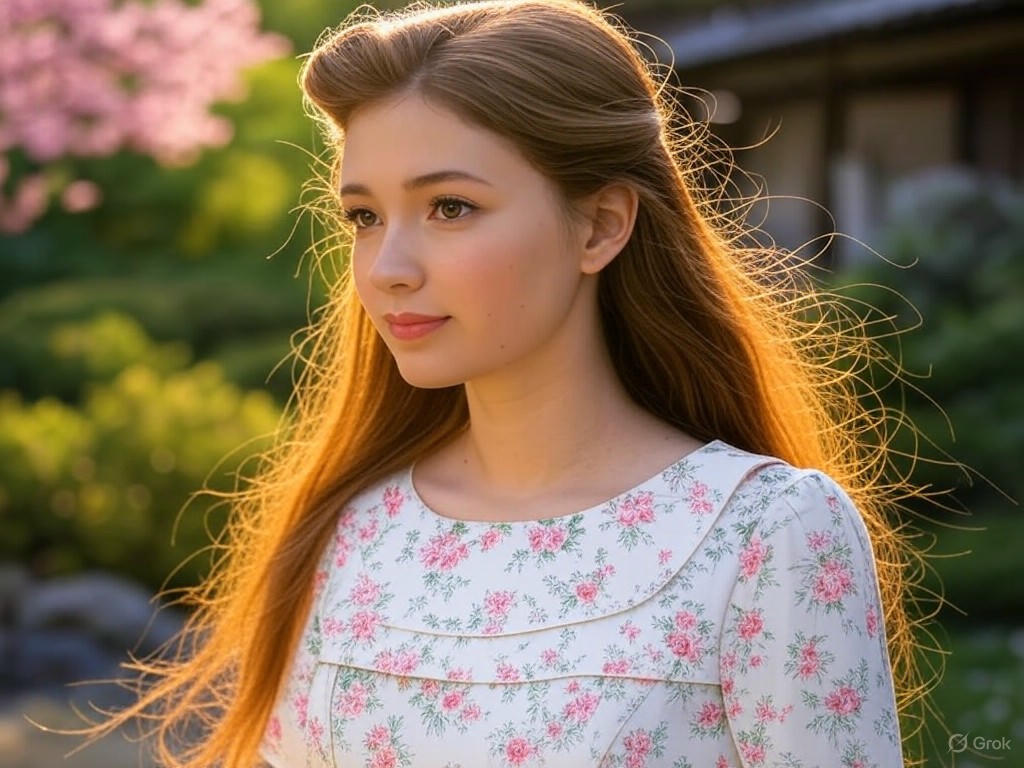
Vintage fashion has made a significant comeback in recent years, captivating the hearts of fashion enthusiasts and casual wearers alike. The allure of retro styles lies in their timeless appeal, unique details, and the nostalgia they evoke. Integrating vintage elements into modern wardroises isn't just about fashion; it's a statement of individuality and sustainability. Here's how you can seamlessly blend the old with the new:
Understanding Vintage Fashion
Before diving into the mix, it's crucial to understand what constitutes vintage fashion:
- True Vintage: Items that are at least 20 years old. They carry historical significance and are often from specific decades like the '50s, '60s, or '70s.
- Retro: Modern designs inspired by past decades but produced recently.
- Reproduction: New items made to replicate the styles of older pieces exactly.
Identifying Your Style
Start by identifying which era resonates with your personal style:
- 1920s - 1940s: Think flapper dresses, Art Deco jewelry, and classic tailoring.
- 1950s: Known for poodle skirts, cinched waists, and the iconic silhouettes of Christian Dior’s New Look.
- 1960s: Mod fashion, mini skirts, and vibrant prints.
- 1970s: Bell-bottoms, disco fashion, and bohemian chic.
- 1980s: Bold prints, shoulder pads, and power dressing.
Incorporating Vintage into Your Wardrobe
Here are practical tips for adding a touch of vintage to your contemporary outfits:
1. Start Small: If you're new to vintage, begin with accessories. Vintage jewelry, scarves, or belts can add a retro flair without overwhelming your look.
2. Mix and Match: Pair a vintage top with modern jeans or a contemporary skirt with a retro blazer. This creates an eclectic, yet cohesive style.
3. Focus on Key Pieces: Invest in statement items like a vintage coat, a dress, or a pair of shoes. These can become the centerpiece of your outfit.
4. Tailoring is Key: Vintage clothing might not fit perfectly. A good tailor can make all the difference, ensuring your pieces look as good as new.
5. DIY Projects: Transform or upcycle vintage finds. For instance, turn an old dress into a skirt or repurpose a vintage scarf into a top.
6. Color Coordination: Vintage clothing often comes in rich, muted tones. Use these colors to complement or contrast your modern pieces.
7. Footwear and Bags: Vintage shoes or a handbag can elevate a simple outfit. Look for unique details like embroidery or unusual materials.
8. Layering: Use vintage layers over modern basics. A '70s kimono or a '50s cardigan can add depth and interest to your look.
Shopping for Vintage
- Thrift Stores and Markets: These are treasure troves for unique finds.
- Online Platforms: Websites like Etsy, eBay, or specialized vintage clothing sites can offer a vast selection.
- Vintage Boutiques: Often curate the best of vintage with an eye for what's wearable today.
- Auctions and Estate Sales: For those looking for something truly one-of-a-kind.
Sustainability and Ethical Considerations
Embracing vintage fashion is also a nod to sustainable living:
- Reduce Waste: By wearing vintage, you're keeping clothes out of landfills.
- Ethical Fashion: Vintage pieces bypass the often problematic labor practices of fast fashion.
- Unique Appeal: You're less likely to run into someone wearing the same outfit.
Conclusion
Incorporating vintage into your modern wardrobe isn't just a style choice; it's a journey through fashion history, a commitment to sustainability, and an expression of personal style. Whether it's through subtle accessories or bold statement pieces, vintage fashion allows you to tell a story through your clothes, making every outfit a conversation starter. Remember, the key is balance; let vintage enhance, not overshadow, your contemporary look.