The Timeless Beauty of Madhubani Paintings
Origins and Evolution
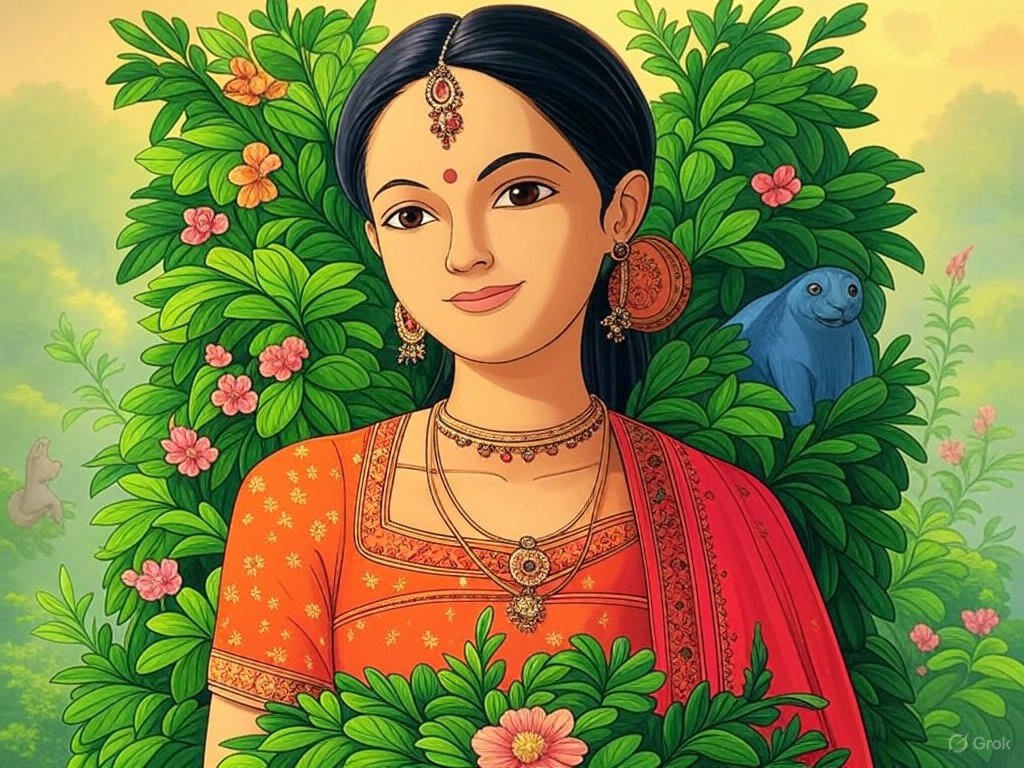
The roots of Madhubani art trace back to the ancient times when the women of the Mithila region painted their mud houses with scenes from Hindu epics like Ramayana and Mahabharata. Initially, this art was practiced by women from various castes including Brahman, Kayastha, and Harijan, each with their distinctive style. Over time, Madhubani painting evolved from being a domestic ritual to a recognized art form appreciated globally.
Styles and Techniques
Madhubani art is characterized by:
- Line Drawings: Artists use intricate lines to fill spaces with geometrical patterns, foliage, and figures.
- Coloring: Traditionally, natural dyes made from flowers, leaves, and turmeric were used. Today, artists often use synthetic colors but still adhere to the traditional palette.
- Themes: The paintings depict deities, nature, weddings, and other cultural ceremonies, often filled with symbolic elements like fish for fertility, peacocks for romance, and bamboo for friendship.
The techniques involve:
- Kachni: Fine line drawing filled with delicate patterns.
- Bharni: Filling in the outlines with vibrant colors.
- Tantrik: Characterized by geometric patterns and symbolic representation.
- Godna: Inspired by tattoos and includes abstract designs.
Cultural Significance
Madhubani paintings are not just art; they are a narrative of life, mythology, and folklore. They embody:
- Ritualistic Art: Traditionally painted during festivals, weddings, and other significant events to invoke blessings from gods and goddesses.
- Social Cohesiveness: The art form brings together different castes and communities in a shared cultural practice, reflecting unity in diversity.
- Economic Empowerment: Today, Madhubani painting has become a source of income for many women in the region, offering them financial independence.
Modern Relevance
In the contemporary world, Madhubani art has seen a resurgence:
- Global Recognition: It has gained international acclaim, featured in exhibitions, and even on UNESCO's list of Intangible Cultural Heritage.
- Innovation: Artists are now exploring new themes, incorporating contemporary issues, and even using Madhubani style in modern art forms like fashion and design.
- Educational Impact: Schools and art institutions are teaching Madhubani techniques, ensuring the preservation and continuation of this art form.
Conclusion
The timeless beauty of Madhubani paintings lies not only in their visual appeal but also in their deep cultural significance. They are more than just decorations; they are a window into the soul of Indian tradition, showcasing the continuity of cultural practices through art. As we move forward, the challenge lies in preserving the authenticity of this art form while allowing it to evolve with the times. Madhubani art continues to be a vibrant testament to the creative spirit of its people, transcending boundaries and touching hearts across the globe.