Rediscovering the Art of Ajanta: Echoes of Ancient India
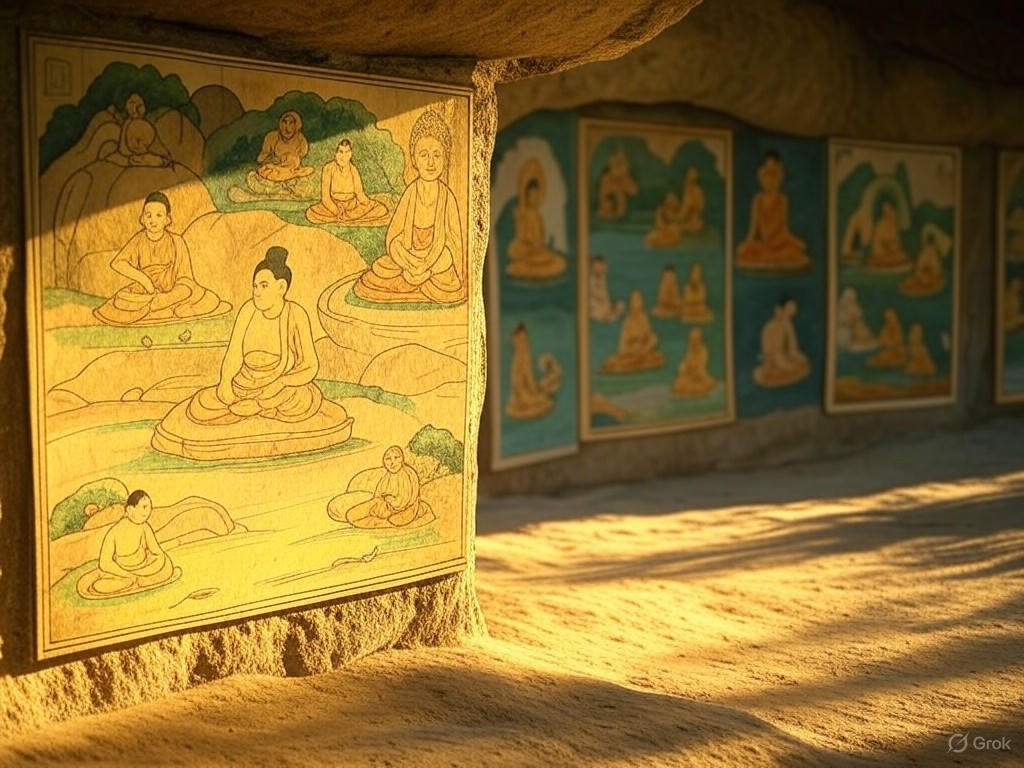
Nestled within the Sahyadri Hills of Maharashtra, India, lies a treasure trove of ancient art that speaks volumes about India's rich cultural and artistic heritage - the Ajanta Caves. These caves, dating from the 2nd century BCE to about 480 CE, are not merely caves; they are a narrative of a civilization that thrived on art, spirituality, and the quest for enlightenment. Here, we delve into the echoes of ancient India that resonate through the art of Ajanta.
The Discovery and Rediscovery
The Ajanta Caves were first rediscovered by a British hunting party in 1819, led by Captain John Smith. However, the real recognition of their historical and artistic significance came much later. Initially, these caves were thought to be natural formations until the rich murals and sculptures were uncovered, revealing a world long forgotten. The rediscovery of Ajanta has since been a pivotal moment in understanding the breadth of ancient Indian art.
Artistic Techniques and Themes
The art of Ajanta is renowned for its frescoes, which are paintings done on wet plaster, allowing the pigment to become part of the wall itself. This technique, known as fresco secco, showcases a mastery over color, depth, and narrative.
- Themes: The themes of Ajanta's art revolve around Buddhist narratives, Jataka tales (stories of the Buddha's previous lives), and various aspects of the Buddha's life. These narratives are not just religious tales but are imbued with moral and ethical lessons, reflecting societal values and the philosophical underpinnings of Buddhism.
- Techniques: The artists of Ajanta used a limited palette, yet they achieved a remarkable range of colors through shading and mixing. The use of light and shadow, perspective, and the fluidity of line all point to an advanced understanding of visual storytelling.
Cultural Synthesis
Ajanta stands as a testament to cultural synthesis. Here, one can observe:
- Influence of Gandhara Art: The Hellenistic influences in the sculptures, with their flowing drapery and realistic human forms, suggest an interaction with the Greco-Buddhist art from the Gandhara region.
- Local Traditions: Alongside, there's a strong presence of local Indian elements in the depiction of flora, fauna, and daily life, creating a harmonious blend of foreign and indigenous art forms.
- Religious Syncretism: The caves also depict scenes from Hindu and Jain mythologies, indicating a level of religious tolerance and syncretism in ancient India.
Preservation and Challenges
The preservation of Ajanta's art has been a challenge due to natural decay, vandalism, and the impact of human visitation. Efforts by the Archaeological Survey of India, along with international cooperation, have been pivotal in maintaining these caves. However, the preservation also brings up ethical questions about how much intervention is necessary versus respecting the natural aging process of these artworks.
Ajanta in Modern Times
Today, Ajanta is not only a UNESCO World Heritage site but also a beacon for scholars, artists, and tourists. It continues to inspire:
- In Art and Culture: Modern Indian artists often draw inspiration from the themes and techniques seen at Ajanta, influencing contemporary art movements.
- Tourism and Education: The caves serve as an educational platform, offering insights into ancient Indian civilization, its philosophies, and its artistic achievements.
- Global Recognition: Ajanta's art has contributed significantly to the global appreciation of Indian culture, showcasing its depth, diversity, and the universal appeal of its messages.
Conclusion
The art of Ajanta is not just a relic of the past; it's a vibrant echo of ancient India's intellectual and artistic zenith. As we rediscover these caves, we engage with a civilization's aspirations, its spiritual quests, and its profound understanding of human nature. Ajanta's walls whisper stories of compassion, wisdom, and beauty, reminding us of the timelessness of art and the enduring legacy of cultural heritage. In these echoes, we find not just the art of Ajanta but the soul of an ancient civilization still resonating in the modern world.