Uncovering the Mysteries of Ajanta and Ellora Caves
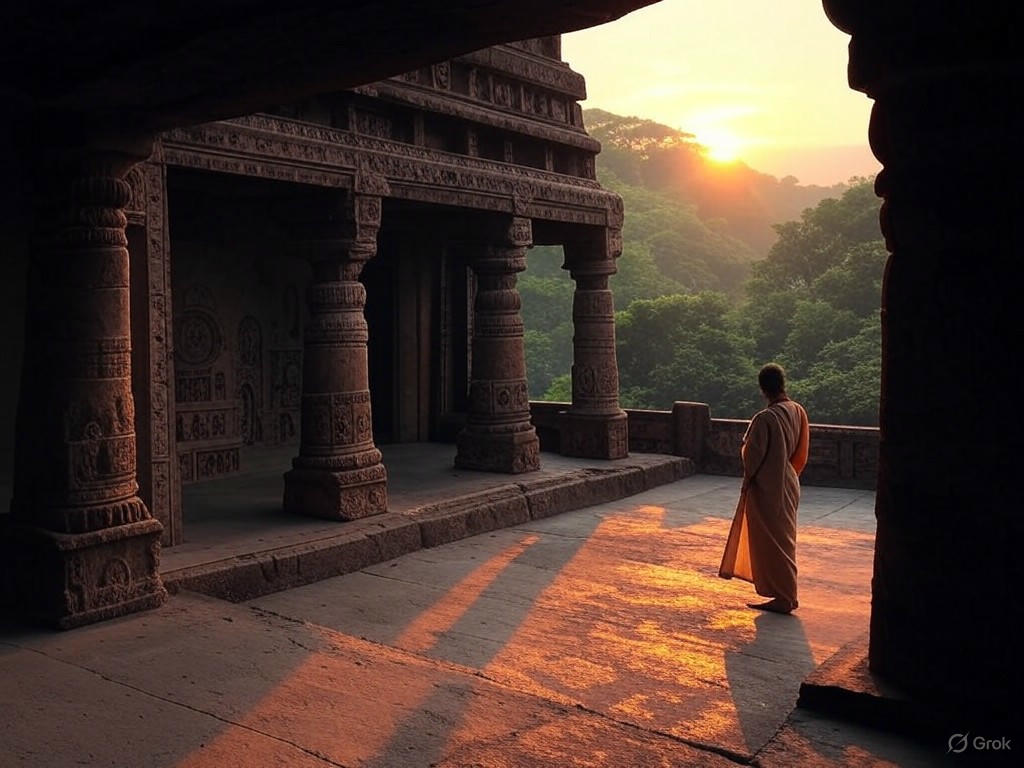
Nestled in the rugged hills of Maharashtra, India, lie two of the most magnificent collections of cave temples known to the world: Ajanta and Ellora. These UNESCO World Heritage Sites are not only architectural marvels but also treasure troves of art, history, and spirituality. Let's delve into the mysteries and magnificence of these ancient wonders.
#### The Ajanta Caves
Discovery and Historical Significance:
The Ajanta Caves, dating from the 2nd century BCE to about 480 CE, were forgotten until 1819 when a British officer, John Smith, stumbled upon them during a tiger hunt. These 30 rock-cut Buddhist cave monuments are carved into the side of a horseshoe-shaped gorge on the Waghora River.
Art and Architecture:
Ajanta is famous for its murals, which are some of the finest surviving examples of ancient Indian art. The paintings depict scenes from the life of Buddha, Jataka tales, and figures from Hindu mythology, showcasing a blend of Indian and Hellenistic styles. The caves also feature intricate carvings, with the most notable being the figure of the seated Buddha in Cave 1, known as the "Padmapani."
The Caves' Purpose:
Originally, these caves served as viharas (monasteries) and chaityas (prayer halls). The elaborate decorations suggest that Ajanta was not just a place for meditation but also a center for teaching and pilgrimage, reflecting the patronage of various Buddhist rulers.
#### The Ellora Caves
A Confluence of Faiths:
Unlike Ajanta, which is exclusively Buddhist, Ellora's 34 caves showcase the coexistence of Buddhism, Hinduism, and Jainism, spanning from the 6th to 10th centuries. This syncretism makes Ellora a unique site, illustrating India's religious tolerance and cultural synthesis.
Architectural Marvels:
The highlight of Ellora is undoubtedly the Kailasa Temple (Cave 16), an extraordinary feat of engineering where an entire temple complex was carved out of a single rock. This monolithic structure, dedicated to Lord Shiva, is one of the largest rock-cut temples in the world. Other notable structures include the Buddhist Vishvakarma cave with its colossal seated Buddha and the Jain Indra Sabha.
Artistic Expressions:
Ellora's art ranges from the serene Buddhist statues to the dynamic carvings of Hindu deities in various dance forms, culminating in the detailed carvings of Jain Tirthankaras. The sculptures here are known for their dynamic movement, intricate details, and a profound spiritual essence.
#### Mysteries and Theories
The Builders:
Who built these caves? Theories abound, but it's widely accepted that they were created by a mix of local craftsmen and artists, possibly with royal patronage. The identity and exact lineage of these artisans remain a mystery, shrouded by the passage of time.
Techniques and Tools:
The method of excavation, particularly for the Kailasa Temple, raises questions about the tools and techniques used. It's speculated that the rock was first outlined with a chalk-like substance, then chiseled away with iron tools. The precision and scale suggest advanced planning and possibly the use of now-lost technology.
Purpose and Abandonment:
Why were these sites abandoned? Various theories suggest political changes, shifts in religious practices, or natural calamities might have led to their decline. However, the true reasons remain speculative.
Symbolism and Esoteric Practices:
The intricate iconography in these caves hints at deeper esoteric meanings, possibly linked to tantric practices or secret doctrines of the time, which are not fully understood even today.
Conclusion
The Ajanta and Ellora caves stand as silent witnesses to India's rich cultural past, encapsulating centuries of artistic, spiritual, and architectural evolution. Visiting these sites is like stepping into a time capsule, where every wall, every carving, and every painting tells a story of devotion, creativity, and human endeavor. While many mysteries still surround these ancient marvels, their legacy continues to inspire and mystify, inviting all who visit to ponder over the profound depths of our cultural heritage.