The Evolution of Streetwear: From Subculture to Mainstream
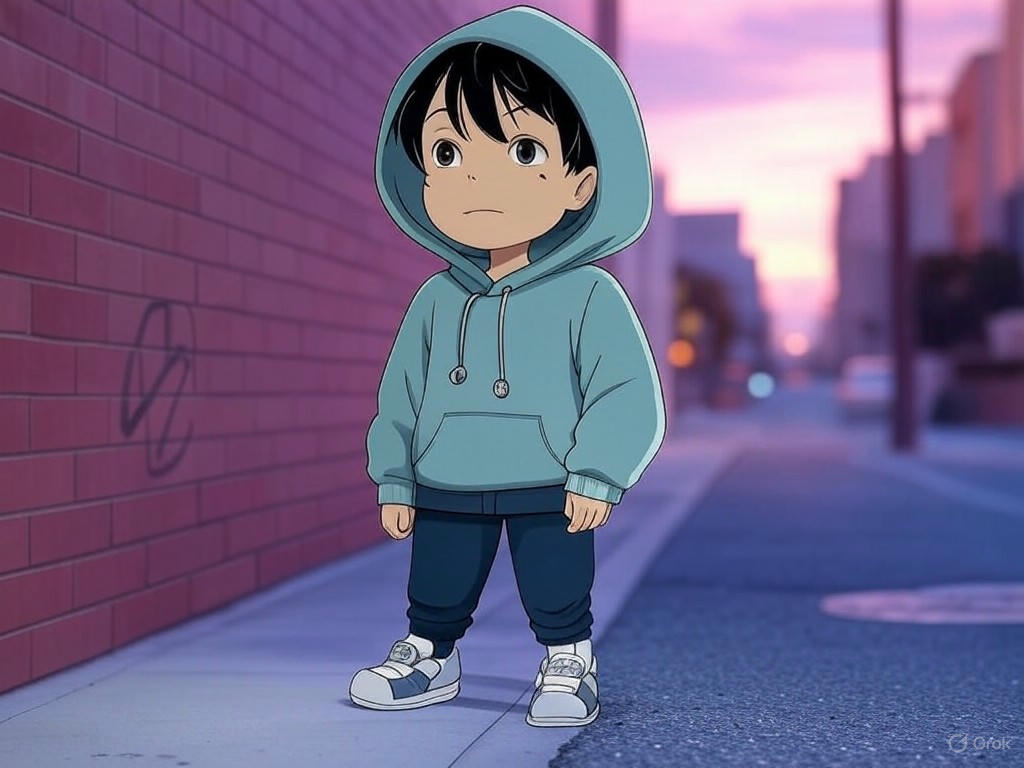
Streetwear, once the uniform of urban youth and underground subcultures, has evolved dramatically over the past few decades to become a dominant force in global fashion. This transformation from niche to mainstream is a fascinating journey through cultural shifts, technological advancements, and economic changes.
Origins in Subculture
Streetwear's roots can be traced back to the late 1970s and early 1980s, emerging from the skateboarding, surfing, and hip-hop scenes in cities like New York, Los Angeles, and London. Brands like Stüssy, Supreme, and A Bathing Ape (BAPE) were born out of these subcultures, where comfort, functionality, and personal expression were paramount. Initially, streetwear was about individuality and being part of a community that valued authenticity over commercial appeal. It was a way for young people to communicate their identity, their music tastes, and their stance on societal issues.
The 90s: Hip-Hop and High Fashion
The 1990s saw streetwear gaining momentum through the rise of hip-hop culture. Artists like Run-D.M.C., Public Enemy, and later, Wu-Tang Clan, not only popularized their music but also their fashion, which often included oversized silhouettes, bold graphics, and a mix of luxury with urban wear. This era marked the beginning of streetwear's crossover into high fashion. Designers like Shawn Stussy began collaborations with established fashion houses, which helped bridge the gap between street culture and haute couture.
The 2000s: Global Expansion and Internet Influence
As the internet became more pervasive, streetwear's influence expanded globally. Online forums, blogs, and later social media platforms like Instagram allowed for the rapid dissemination of trends and styles. Brands could now reach a worldwide audience without the need for traditional retail spaces. This era also saw the rise of "hypebeast" culture, where exclusivity and brand collaborations (like those between Nike and Supreme or Adidas and Kanye West) created frenzies for limited edition releases.
Streetwear Goes Mainstream
By the late 2000s and into the 2010s, streetwear was no longer just for the subcultures. High fashion brands like Gucci, Louis Vuitton, and Balenciaga started incorporating streetwear elements into their collections. This wasn't just about adopting a style but understanding that streetwear had become a significant part of consumer culture. Luxury brands saw the potential in this demographic, leading to collaborations that were not just about selling clothes but about cultural integration.
The Role of Influencers and Social Media
Social media influencers played a pivotal role in this transition. They showcased streetwear in everyday contexts, making it aspirational yet accessible. The democratization of fashion was further propelled by platforms like Depop and Grailed, where anyone could sell or buy streetwear, thus breaking down barriers to entry into this fashion space.
Sustainability and Ethical Fashion
As streetwear moved mainstream, there came a consciousness regarding its environmental footprint. The industry began to see a shift towards sustainability. Brands started to focus on ethical production, sustainable materials, and even recycling initiatives. This evolution reflects broader societal shifts towards responsibility and environmental awareness, even in fashion.
Looking Forward
Today, streetwear is not just clothing; it's a cultural phenomenon. Its evolution from subculture to mainstream has reshaped fashion norms, making it more inclusive and diverse. As we look to the future, streetwear continues to evolve, influenced by technology (like 3D printing and virtual fashion), global trends, and a younger generation that values authenticity, sustainability, and cultural representation.
The journey of streetwear from the fringes to the forefront of fashion illustrates not only changes in clothing but also in society's values, identity, and how we express ourselves through what we wear. What started as a statement against mainstream fashion has ironically become the mainstream, yet it retains its core ethos of individuality and community.